Introduction
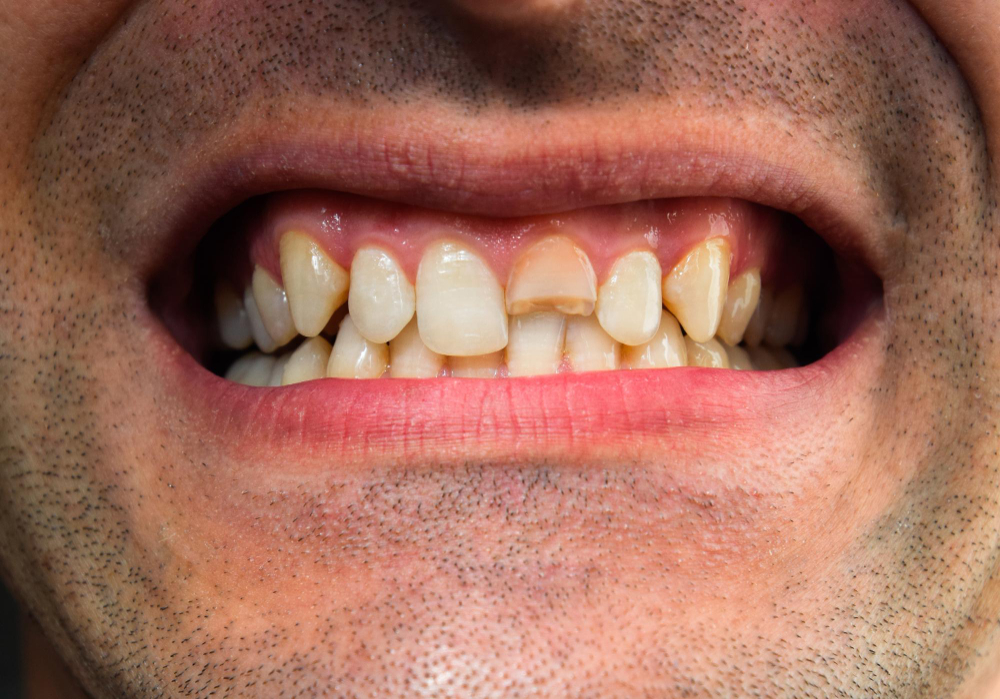
Tooth fracture after injury can be scary. However, knowing what to do helps protect your smile. Dental trauma management is important for everyone. In this blog, you will learn about symptoms, treatment, and how to prevent broken teeth. If you act quickly, you can often save the tooth and avoid more problems.
What is Dental Trauma?
Dental trauma means any injury to the teeth, gums, or mouth. For example, a fall, sports accident, or biting something hard can cause dental trauma. Sometimes, these injuries lead to a tooth fracture. Emergency dental care is often needed to fix the problem and prevent infection.
Types of Tooth Fractures
Not all tooth fractures are the same. In fact, the type of break affects treatment. Here are common types:
Common Symptoms
After dental trauma, you may notice signs of a tooth fracture. Early symptoms help you seek care fast. Watch for these:
However, sometimes symptoms appear later. So, always check your teeth after an injury.
Causes of Tooth Fractures
Many things can cause a tooth fracture after injury. Understanding the causes helps you avoid future problems. Common causes include:
How Tooth Fractures are Diagnosed
After dental trauma, a dentist will check your mouth. First, they look for visible cracks or chips. Then, they may use X-rays to see hidden damage. Sometimes, a special light or dye helps find small cracks. Early diagnosis is key for proper dental trauma management.
Immediate First Aid Steps
Quick action can make a big difference. If you suspect a tooth fracture after injury, follow these steps:
Remember, emergency dental care can help save your tooth.
Professional Treatment Options
Your dentist will choose the best treatment based on the type of fracture. Common options include:
However, early treatment often means better results. According to the American Dental Association, prompt care lowers the risk of infection and tooth loss.
Home Care and Recovery Tips
After treatment, good home care helps your tooth heal. Try these tips:
Most people recover well with proper care. Still, follow your dentist’s advice closely.
Prevention Strategies
Preventing dental trauma is easier than treating it. Here are simple ways to protect your teeth:
With these steps, you lower your risk of a tooth fracture after injury.
When to See a Dentist
Sometimes, it is hard to know when to seek help. However, you should see a dentist right away if:
Early dental trauma management can save your tooth and prevent more problems.
If you experience dental trauma, consult a dentist promptly for personalized care.