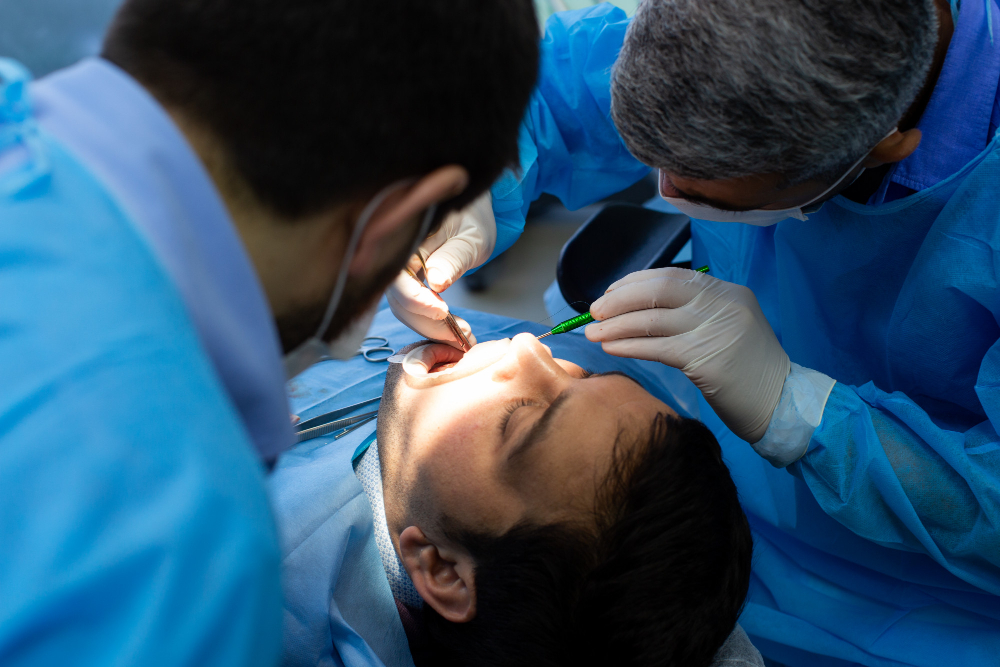
What Is Flap Surgery in Dentistry?
Flap surgery in dentistry is a common treatment for gum disease. Dentists use this procedure to clean the roots of teeth and repair gum tissue. Often, it helps when other treatments, like deep cleaning, do not work. Flap surgery can improve oral health and prevent tooth loss. According to the American Dental Association, this surgery is safe and effective for many patients.
Common Reasons for Flap Surgery
Many people need flap surgery for different reasons. For example, it is often used to treat advanced gum disease, also called periodontitis. Sometimes, dentists recommend it when gums pull away from teeth. Other reasons include:
Because gum disease can lead to tooth loss, flap surgery helps save teeth and protect your smile.
Step-by-Step Overview of the Procedure
Understanding the gum flap surgery procedure can ease your worries. Here is what usually happens:
Most gum flap surgeries take about one to two hours. You can usually go home the same day.
Benefits and Potential Risks
Flap surgery in dentistry offers many benefits. For instance, it can:
However, like any surgery, there are some risks. These may include:
Because most people heal well, serious problems are uncommon. Your dentist will discuss all risks and answer your questions before surgery.
Recovery Process and Aftercare Tips
Dental flap surgery recovery is usually quick. Most people feel better within a week. To help healing, follow your dentist’s advice. Here are some helpful tips:
Because every person heals differently, always contact your dentist if you notice heavy bleeding, fever, or severe pain. For most, the stitches dissolve on their own or are removed at a follow-up visit.
Prevention and Oral Hygiene Guidance
After flap surgery, keeping your mouth clean is very important. Good oral hygiene helps prevent future gum problems. Here are some simple steps:
Because gum disease can return, staying on top of your oral care is key. With the right habits, you can enjoy better oral health after flap surgery.
Conclusion
Flap surgery in dentistry is a safe and effective way to treat gum disease and protect your teeth. With proper care, most people recover quickly and enjoy a healthier smile. For personalized advice on flap surgery and oral health, consult your dentist.